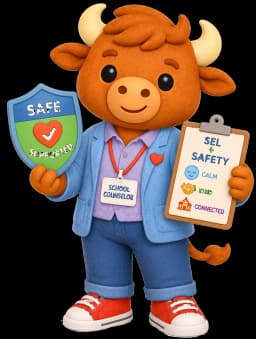
Why School Safety and SEL Should Not Be Separate Programs
When schools silo safety and social-emotional learning, both programs underperform. Research shows SEL's largest measured effect is on school climate and safety.
Read article
K-5 safety and SEL resources for teaching safety skills through social-emotional learning—not fear-based drills.
School safety elementary programs too often live in a separate silo from social-emotional learning—and both suffer for it. When schools treat safety as lockdown drills and SEL as morning meetings, they miss the connection that research consistently supports: self-regulation, emotional awareness, and relationship skills are safety skills. Students who can calm themselves during a fire drill, recognize when a peer needs help, and follow directions under stress are safer in every context, from the classroom to the bus stop to the internet.
This collection brings together practical guides for teaching safety elementary educators can use without adding fear to the school day. Whether you are building a K-5 safety curriculum from scratch or looking to strengthen what your building already does, these articles show how school safety and SEL work best as one integrated approach—not competing priorities on the master schedule.
You will find guidance on trauma-informed emergency preparedness, bus safety elementary instruction that respects developmental stages, and internet safety elementary lessons that build digital citizenship without putting student devices in every hand. Each guide is written for the people who actually deliver safety instruction: classroom teachers, counselors, and administrators who need age-appropriate strategies that work in real K-5 settings.
Effective school safety is not about scaring children into compliance. It is about giving students the social-emotional tools to stay calm, make smart decisions, and look out for one another. When you teach safety skills through an SEL lens, drills become practice rather than trauma, bus rules become habits of awareness, and digital citizenship becomes part of how students treat each other every day. Explore the articles below to build a school safety program that protects students—and helps them grow.
When schools silo safety and social-emotional learning, both programs underperform. Research shows SEL's largest measured effect is on school climate and safety.
Read article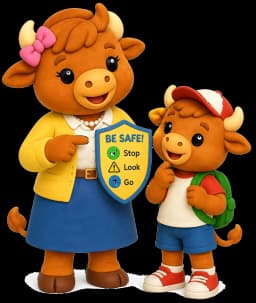
How to prepare K-5 students for emergency drills using age-appropriate, trauma-informed approaches. Self-regulation is a safety skill.
Read article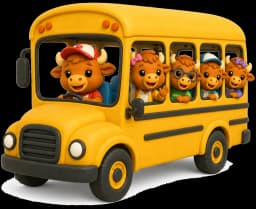
A practical guide to teaching bus safety skills in K-5, including the danger zone, age-appropriate instruction, and accommodations for students with disabilities.
Read article
How to build digital citizenship skills in K-5 using discussion, stories, and projector-led instruction. No student devices required.
Read articleBe The Buffalo provides 40 weeks of CASEL-aligned, bilingual SEL curriculum designed specifically for K-5 teachers.
Sign Up Free